


We Go above & Beyond
Ecowatt Nigeria Limited is a technical climate, energy, and sustainability advisory firm supporting corporates, financial institutions, development partners, and governments with bankable energy, carbon, and climate-finance solutions. Our work spans the full project lifecycle, from diagnostics and system design, to independent technical assurance, MRV, and investment-grade reporting, helping clients reduce energy costs, manage climate risk, and unlock sustainable finance.
Learn More
Renewable Energy
Ecowatt is an environmental friendly energy producer! Knowing that 60% of Nigerians don’t have access to electricity, Ecowatt is not only creating renewable technology, but...
Read More
Energy Management
A Passion To Deliver... Ecowatt's consultants collaborate with utilities, government, investors, manufacturers, oil and gas companies, commercial...
Read More
Energy Consultancy
Ecowatt's environmental consulting services tackle the challenges of sustainability where it is being created in the operations of our...
Read More
Energy Academy
As active professionals with long lasting experience in the industry, we offer hands-on training courses and workshops for your individual needs, both at our training...
Read More
Why clients chooseEcowatt
Ecowatt Nigeria Limited is a technical climate, energy, and sustainability advisory firm supporting corporates, financial institutions, development partners, and governments with bankable energy, carbon, and climate-finance solutions.
Our work spans the full project lifecycle—from diagnostics and system design, to independent technical assurance, MRV, and investment-grade reporting—helping clients reduce energy costs, manage climate risk, and unlock sustainable finance.
Trusted by these prestigous brands:


Our Products
At Ecowatt, our aim is to equip our clients with the latest technology available for producing clean and reliable renewable energy and achieving continuous improvement in energy and environmental performance. We achieve this by partnering with the world’s most advanced technology providers. We only provide products that we personally tested and that have proven to be high quality in Europe and the United States.
See all Products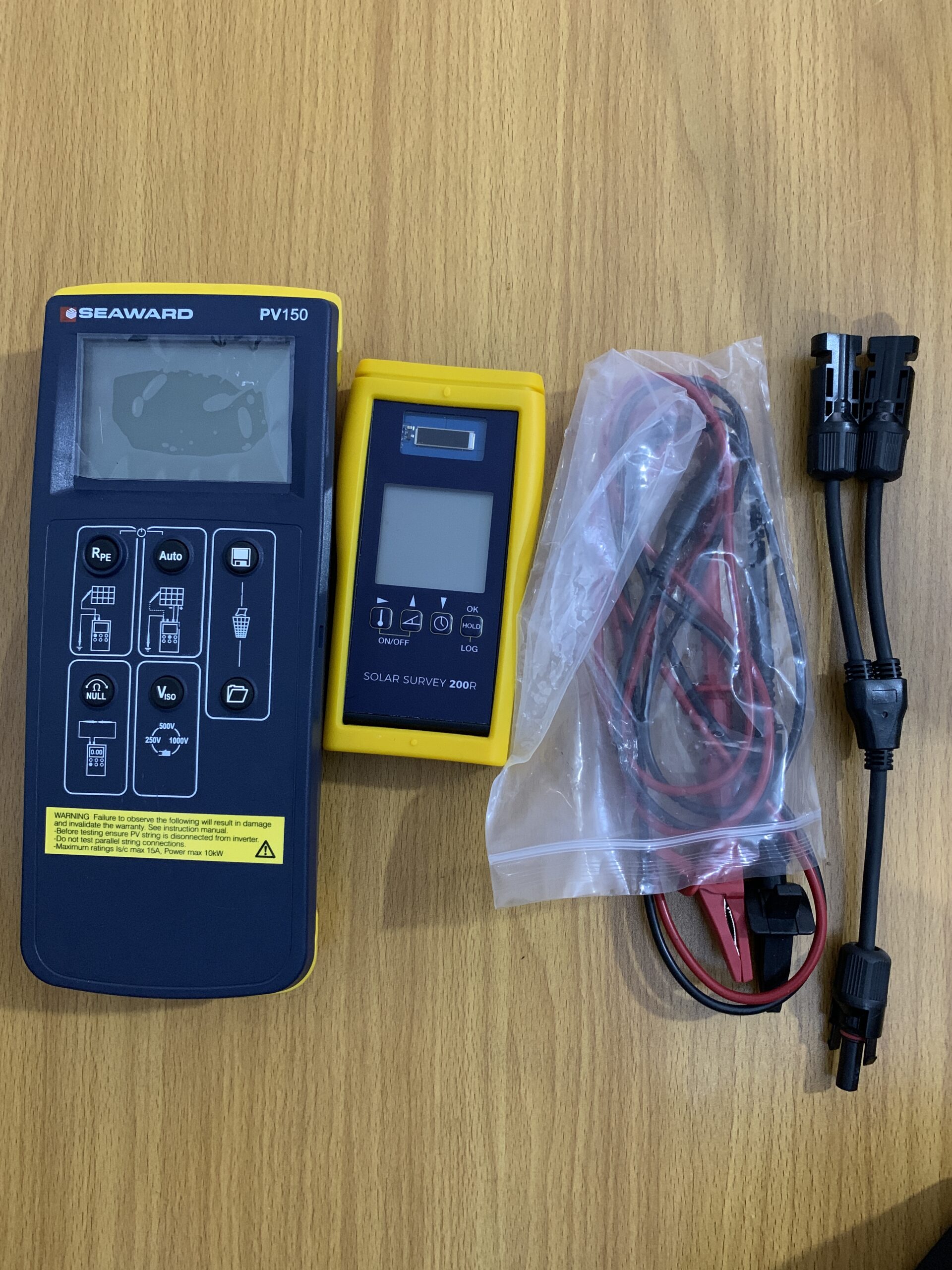
Solar PV 150 Installation Tester
(Solar PV Tester)

Flow Meter
(Measures Gas, Water, steam, air and Diesel)
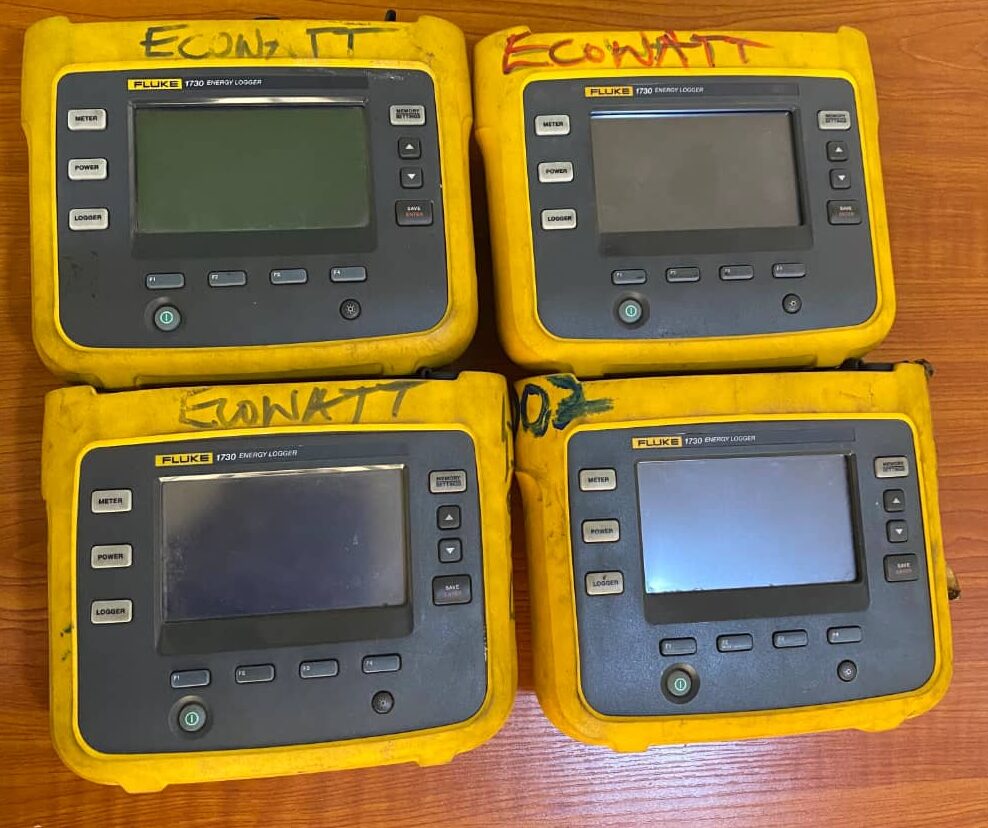
Fluke 1730 Energy Meter
(KWH, KW, KVA and all Power quality measurement)
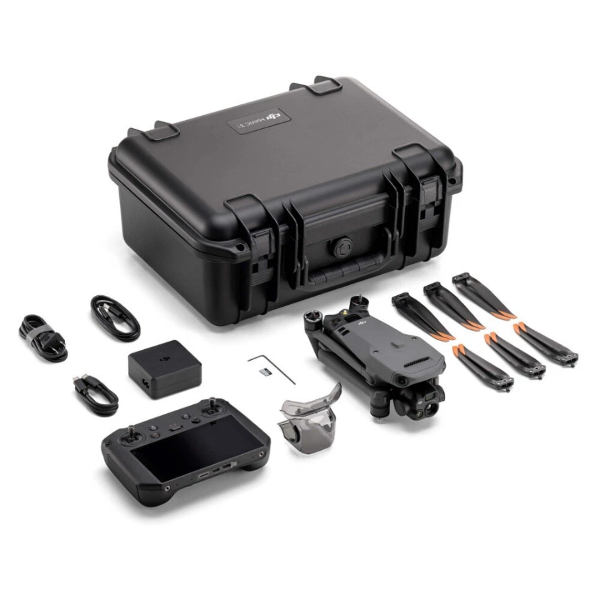
Drone Thermal Camera and Imager
(Drone Thermal Camera for Utility Scale Thermal Inspection in Nigeria)
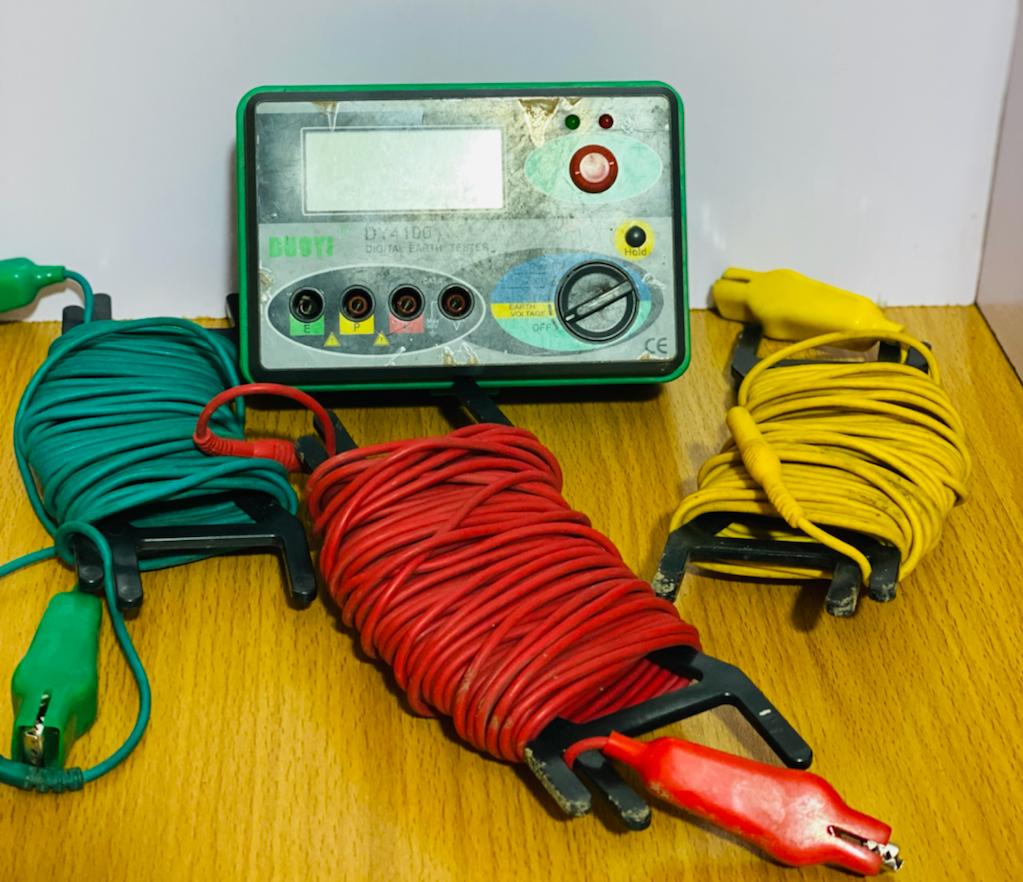
Earth Resistance Meter
Earthing Tester
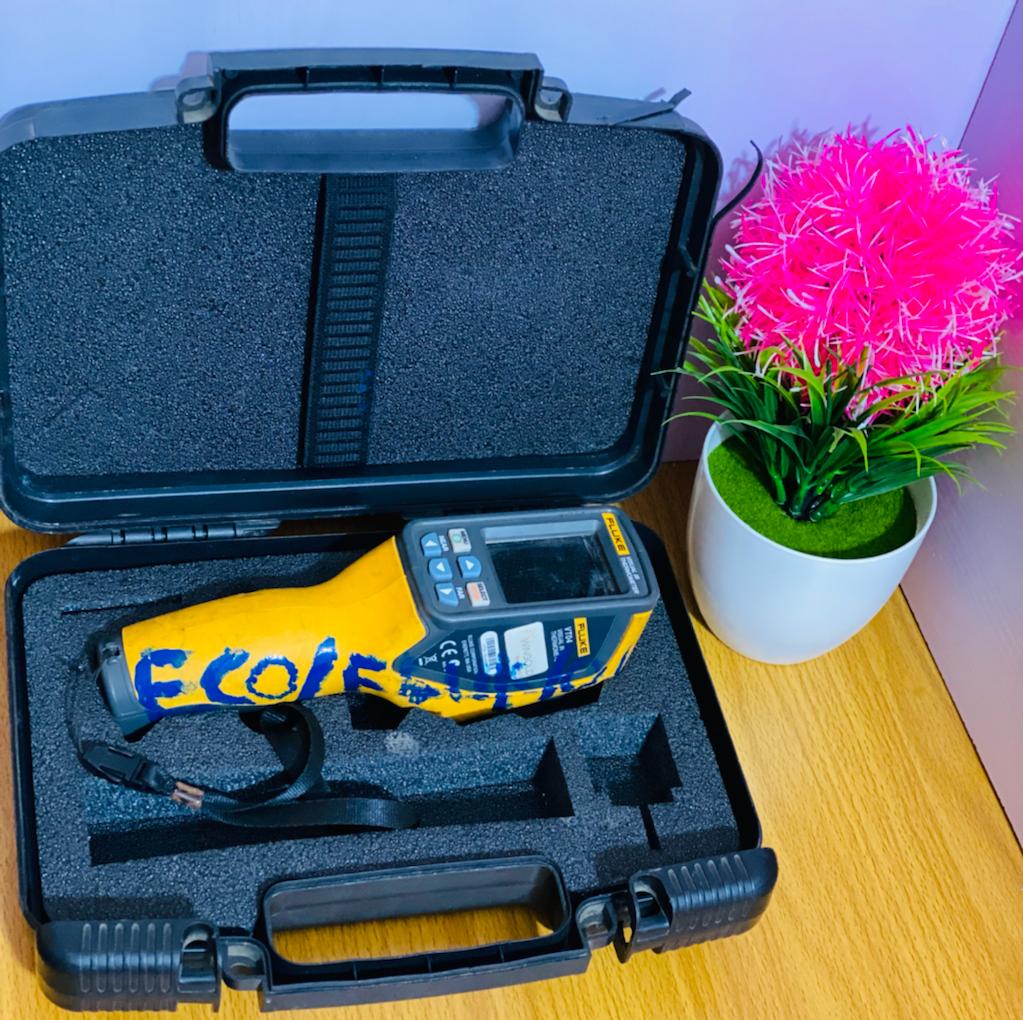
Thermal Imager
Heat sensing
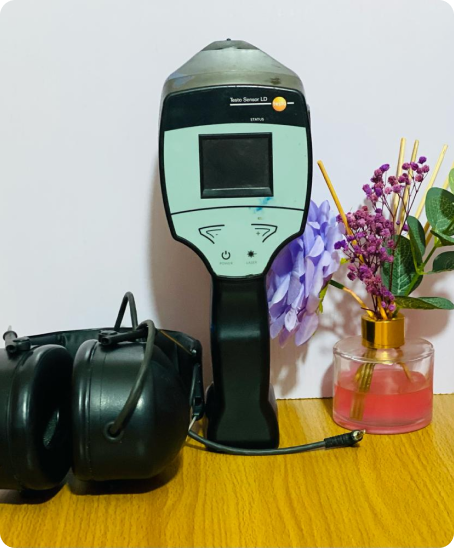
Ultrasonic Leak Detector
Detects ultrasonic sounds

Other available equipment for lease
Oh Yeah! Why not check our past projects
At Ecowatt, our aim is to equip our clients with the latest technology available for producing clean and reliable renewable energy.
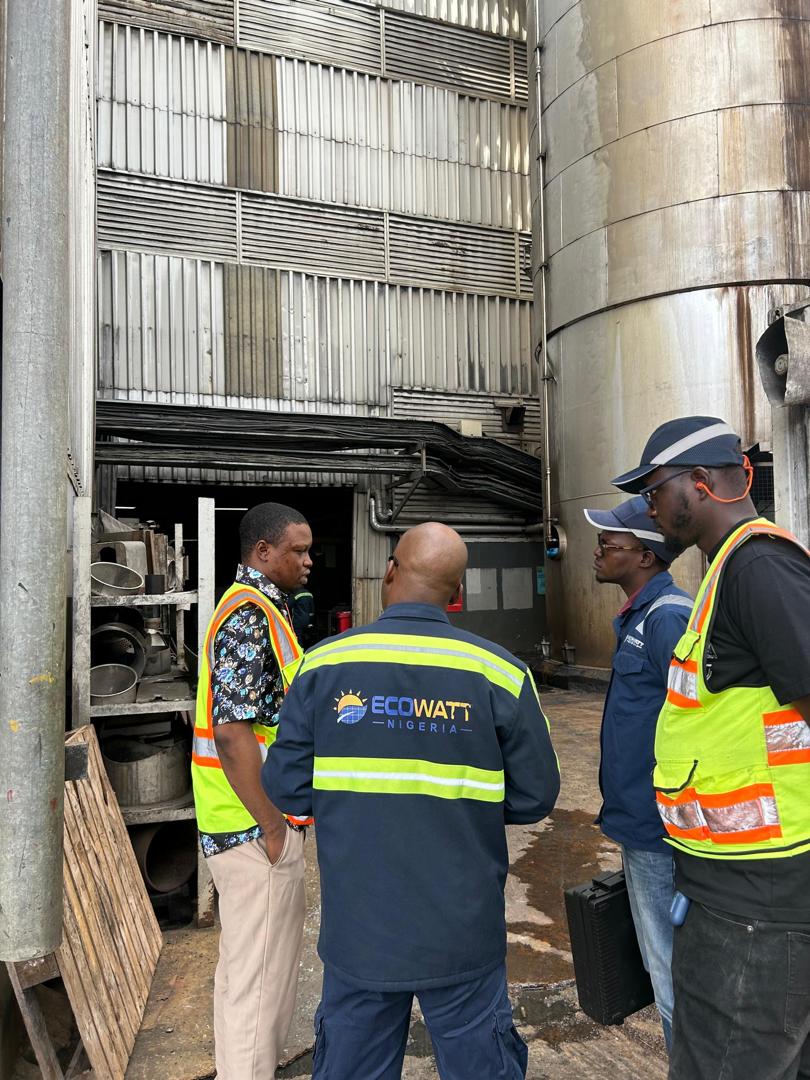
GHG Accounting and Climate Transition Planning
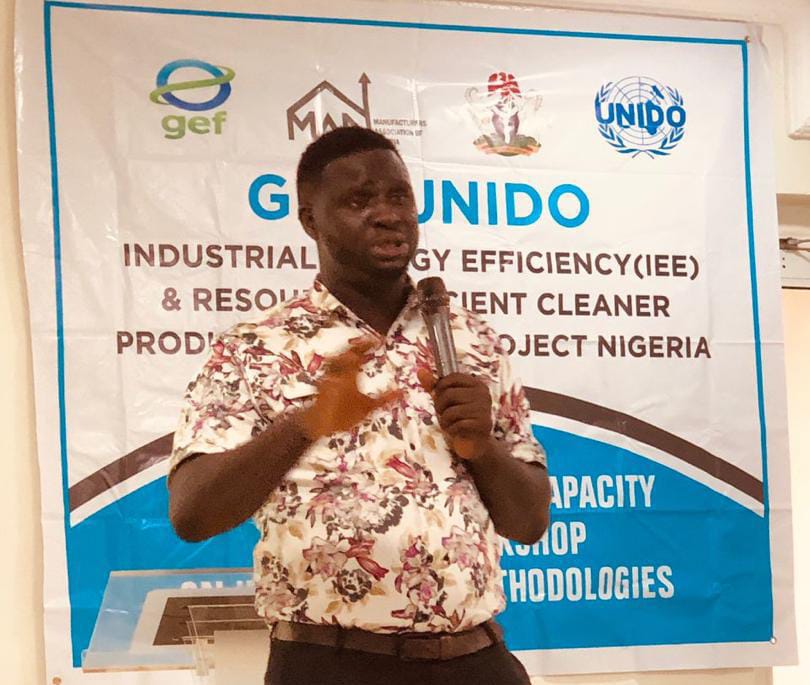
Industrial Energy Efficiency (IEE) & RECP Programme
Ecowatt supported UNIDO under its Industrial Energy...
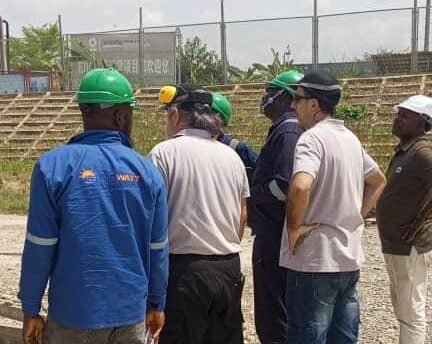
Energy and Carbon Audit for Cement Manufacturer
Ecowatt Nigeria Limited was engaged to conduct an energy...
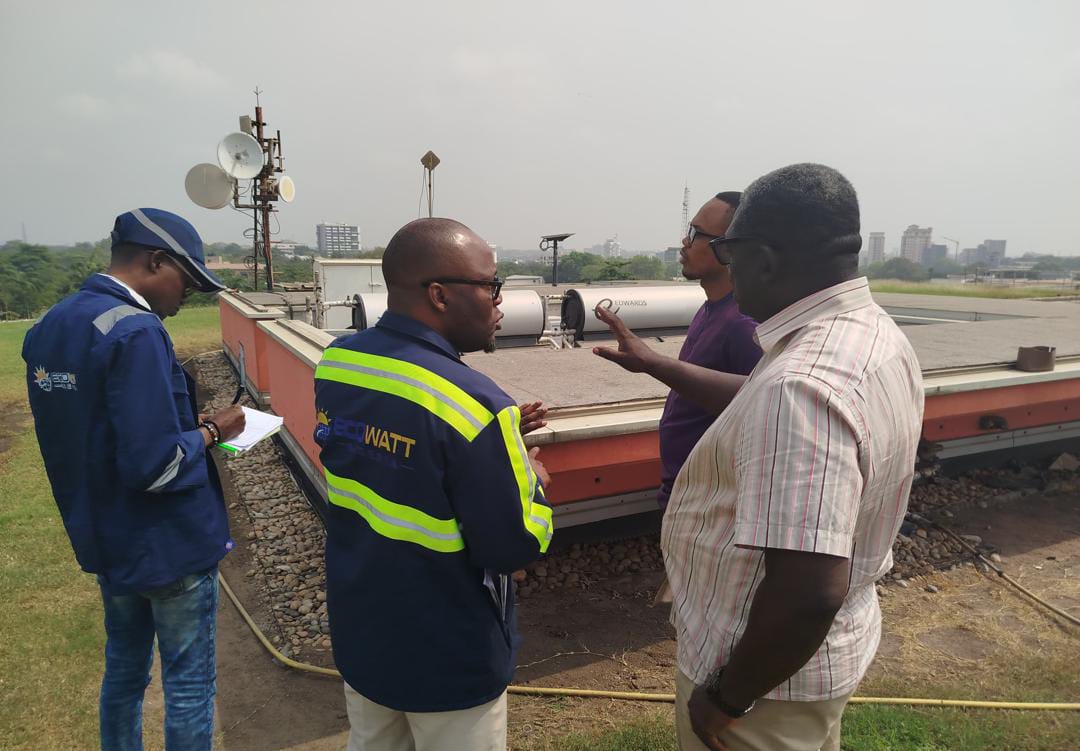
Energy, Water, Waste And Environmental Audit
Ecowatt conducted an integrated resource and...

Power Quality Assessment
Ecowatt Nigeria Limited was selected by Flour Mills of...
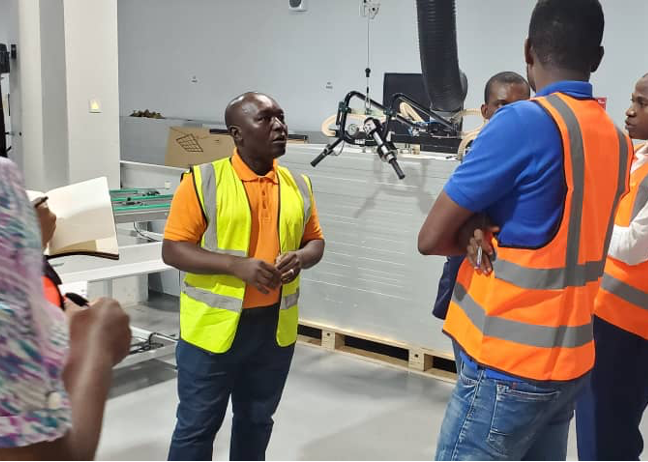
Technical Due Diligence of a Large Scale Solar PV Module Manufacturing Plant
InfraCredit required an independent technical assessment...

Investment Grade Energy Audit Program For Teaching Hospitals
Support Nigerian teaching hospitals to reduce energy...

ISO 50001 EnMS Implementation
Ecowatt Nigeria Limited worked with PZ Cussons Nigeria...
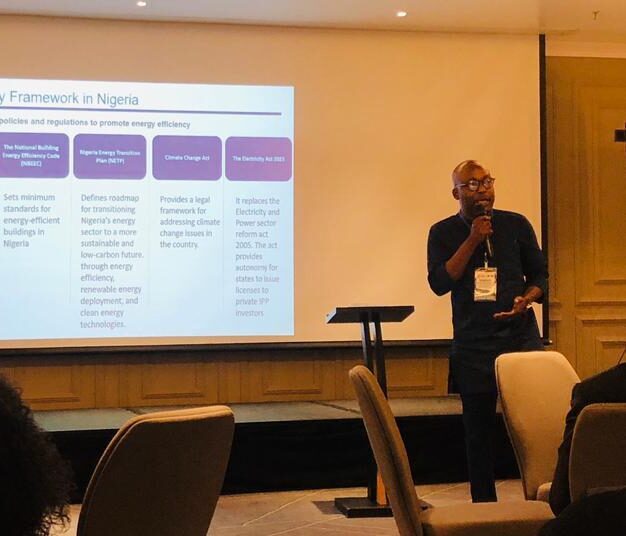
Green Bond Technical Framework Development & Carbon Credit Monetisation Readiness for Telecom Infrastructure
Ecowatt Nigeria Limited supported a telecom...
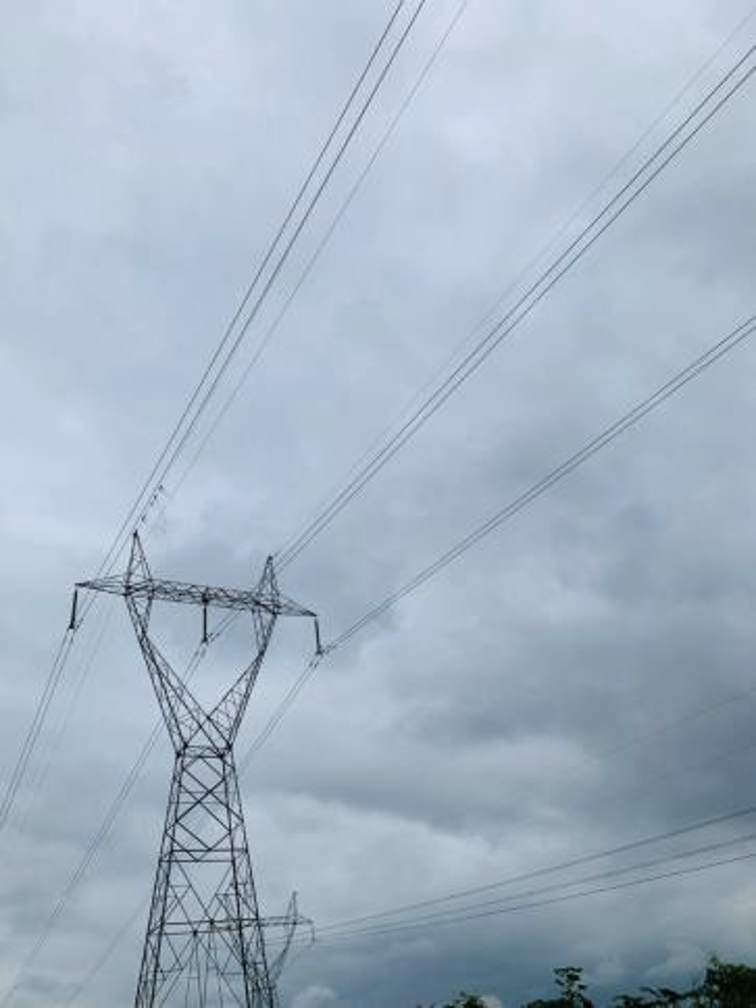
Grid-Connected Solar PV – Load Evacuation & Grid Integration Studies
Developers required compliant grid evacuation studies to...
and this are their beautiful Goodwill message to Us
Advanced Energy Audit Training
I learnt expressly about energy audit, utilities and the modalities of carrying out energy audits. -Engr Matthew

Engr Ottah
Ecowatt Energy Academy Graduate
Advanced Energy Audit Training
The training was very impactful indeed, having learnt a lot about energy audit and energy management. I shall bring it to bear in my actions -Mr Lawal

Mr Lawal
Ecowatt Energy Academy Graduate
Energy Audit Training
Ecowatt did a fantastic job during the training. They touched every area and showed why they are experts. The facilitators took the time to explain the course content in-depth. They did an outstanding job. -Prof Ajayi
Prof Ajayi
Ecowatt Energy Academy Graduate
Advanced Energy Audit Training
The training was excellent. Keep up the good work.

Mr Ajiboye
Power Engineer
Advanced Energy Audit
I learnt a lot. From energy audit techniques (planning to reporting), to the different aspects of audits as well as some practical session and calculations. I could use the information here and at home. Training was timely and all was on point. Thank you team.

Mr Ugochi
Power Engineer
Basic Energy Audit

Mr Ayodele Olusola
Manager
Frequently Asked Questions
An investment-grade energy audit (IGEA) is a detailed technical and financial assessment that goes beyond identifying energy-saving opportunities. It provides bankable, decision-ready information that investors, lenders, and management can rely on to approve capital investments. An investment-grade audit typically includes:
- Detailed measurement and analysis of energy use (electrical, thermal, and fuel).
- Verified energy baselines and load profiles.
- Quantified energy-saving opportunities with: CAPEX estimates, OPEX savings, Payback period, IRR, and NPV.
- Risk analysis and implementation roadmap.
- Clear assumptions and defensible methodologies.
The duration of an energy audit depends on the scope and depth of analysis.
Typical timelines:
- Preliminary / walk-through audit: 1–2 weeks
- Detailed energy audit (ISO 50002 / ASHRAE Level II): 4–8 weeks
- Investment-grade audit (complex facilities): 8–12 weeks
This includes:
- Data collection and site measurements
- Analysis and modelling
- Identification of opportunities
- Financial evaluation
- Drafting and validation of the final report
Larger industrial sites or multi-facility audits may require longer timelines.
Yes, a written report is given to the client upon the completion of the project. The report contains an executive summary and a table of findings that show important audit findings and recommendations. The list of recommendations contains implementation cost estimates, energy and cost savings.
The cost of ISO 50001 certification in Nigeria depends on facility size, complexity, and readiness.
Costs generally fall into three components:
- Implementation & consulting support
- Certification audit by an accredited body
- Internal resources and data preparation
Typical cost ranges (indicative):
- Small–medium facilities: ₦10m – ₦20m
- Large industrial or multi-site organisations: ₦20m – ₦40m+
These costs usually cover:
- Energy review and baseline development
- EnPIs and action plans
- Staff training and documentation
- Internal audit and management review support
- External certification audit
ISO 50001 certification is typically valid for 3 years, with annual surveillance audits.
Batteries are not required for all solar systems but they are needed for power backup. Solar panels make power when they are exposed to sunlight, therefore, this means that you won’t have power (‘light’) at night from your solar power system without batteries.
A carbon project is an activity that reduces, avoids, or removes greenhouse gas (GHG) emissions compared to a defined baseline scenario, and can potentially generate carbon credits under recognised standards.
Examples include:
- Diesel-to-solar or hybrid energy transitions
- Energy efficiency improvements
- Methane capture
To be creditable, a carbon project must meet strict technical and governance requirements, not just reduce emissions in practice.
MRV stands for Monitoring, Reporting, and Verification.
It is the system that ensures:
- Emissions data is accurately measured
- Reductions are transparently reported
- Results are independently verified by accredited bodies
MRV is the backbone of credible carbon projects and is mandatory under all recognised standards.
Ecowatt supports clients by:
- Assessing carbon project eligibility and risks
- Designing MRV frameworks aligned with international standards
- Preparing validation- and verification-ready documentation
- Supporting engagement with accredited VVBs
- Ensuring defensible, audit-ready emissions data
- Aligning carbon projects with broader climate and financing strategies
No. Not all projects qualify. Common reasons projects fail include:
- Lack of additionality
- Weak baseline justification
- Poor data quality
- Regulatory requirements already mandating the activity
- Insufficient scale or monitoring capability.
A carbon readiness assessment is often required before proceeding.